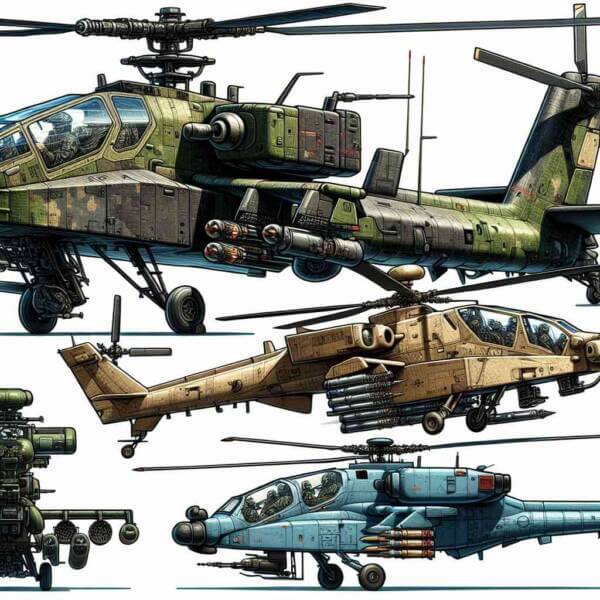
The use of aircraft in military operations provides strategic advantages.
Nations invest heavily in military aviation to maintain superiority.
The Evolution of Military Aviation
Military aviation started during the early 1900s, with aircraft initially used for spying on enemy movements.
Key developments over time:
- The introduction of fighter planes and bombers
- Creation of long-range bombers and jets
- Emergence of strategic bombers and nuclear deterrence
- Rise of unmanned aerial vehicles (UAVs)
Each era brought innovative strategies that expanded aerial warfare.
Different Roles of Military Planes
Understanding the types of military aircraft helps in appreciating the complexity of modern air forces.
Types of planes used in military aviation:
- Aircraft designed for air-to-air combat
- Aircraft for long-range attacks
- Planes used to move troops and equipment
- Unmanned aircraft for intelligence gathering
Each type plays a critical function in military operations, from securing airspace.
Importance of Air Superiority
Air superiority is crucial for achieving military success.
Benefits of air superiority include:
- Reducing enemy effectiveness
- Cutting off enemy resources
- Surveillance and reconnaissance missions
- Boosting morale
Nations with strong military aviation capabilities can control conflicts.
The Next Generation of Military Aircraft
Constant research and development redefine capabilities for future warfare.
Recent innovations include:
- Low-visibility planes
- Missiles and aircraft traveling at speeds greater than Mach 5
- Autonomous drones
- New forms of aerial weaponry
These advancements enhance lethality for air forces worldwide.
Challenges in Military Aviation
Despite technological superiority, military aviation faces significant risks.
Key challenges include:
- Budget constraints for defense programs
- Need for constant upgrades
- Cybersecurity threats
- New debates about AI in warfare
Addressing these challenges is crucial to staying ahead.
What Lies Ahead
The future of military aviation promises radical innovations.
Future trends may include:
- Autonomous mission planning
- Space as the next battlefield
- Developing sustainable aviation technology
- Enhanced multinational cooperation
The next era of military aviation will revolutionize how wars are fought.
The Enduring Power of Military Air Forces
Its history, present achievements, and future possibilities showcase technological excellence.
As technology continues to evolve, the skies will remain a critical arena where military aviation safeguards freedoms.
The website future of military aviation is more dynamic than ever — and it’s only just beginning.